
When is too soon to start skin care?
Your role in protecting young skin from harm and supporting younger clients to establish healthy habits that last a lifetime.
 The surge in skincare interest among pre-teens and teenagers has become one of the most significant shifts in the beauty industry in recent years. Social media, influencer culture and the accessibility of advanced skincare products have created a generation of young consumers who are more aware of, and more anxious about, their skin than ever before.
For beauty professionals, this presents both an opportunity and a responsibility: to guide parents and caregivers through the noise, protect young skin from unnecessary harm and establish healthy habits that last a lifetime.
Across the industry, therapists and skin health specialists are seeing a marked rise in young clients seeking advice, treatments and product recommendations. Their collective message is clear: teenage skincare should be simple, supportive and grounded in professional guidance, not driven by trends or aggressive actives. Professionals agree that skincare should begin when the skin itself starts to change, not according to a fixed age.
As Hannah White, Head of Education and Head of Sales at
MONUSKIN, explains:
“From a professional perspective, skincare should begin when the skin itself starts to change, not according to age alone. In the treatment room, we often see early shifts from around [aged] 9–11, with increased oil production and sensitivity. By the early teens, hormonal fluctuations can bring congestion, breakouts or imbalance.”
Advanced Facialist
Mariam Abbas notes:
“Children are entering puberty earlier than previous generations. Boys may start shaving at a young age, which can repeatedly disrupt the skin barrier and contribute to inflammation and acne if not managed appropriately. This is why some children, particularly in their very early teens and occasionally during the tween years, may benefit from a simple, well-balanced skincare routine designed to support the skin barrier and maintain microbial balance.”
Aesthetician, beauty educator and nutritionist
Alison Bladh reinforces the importance of age appropriate routines, stating: “For younger children under the age of 10, skincare should be kept extremely simple… Anything beyond this is unnecessary and may disrupt the skin's natural balance.” As children move into early adolescence, she explains, “skincare needs begin to change. Hormonal shifts can increase oil production, congestion and sensitivity.”
Holly Mason, founder of
The Skin Investment Clinic, echoes this, emphasising that a routine should be easy to follow. She says: “A structured skincare routine can begin around early adolescence, typically ages 11 13… ‘structured' doesn't mean complex, it means consistent.”
The social media effect
One of the most pressing concerns among professionals is the influence of social media on young consumers. Therapists are seeing children as young as eight or nine exposed to adult routines, potent actives and multi-step regimens that are entirely inappropriate for developing skin. Alison Bladh describes the scale of the issue:
“Skincare content is largely unrestricted on social media… very young children are being exposed to adult skincare routines without any age context, skin assessment or professional guidance.” She warns that many of these routines include “strong acids, retinoids, exfoliating toners and multi-step layering that even adult skin can struggle with.”
The consequences can be significant, as Alison explains:
“For younger skin, this can trigger irritation, barrier disruption, dryness, stinging and redness… There is also an emotional impact, with children absorbing the idea that their skin needs fixing rather than caring for.”

“We're seeing a noticeable rise in pre-teens and teens seeking professional skincare advice. Social media has played a huge role in this… younger audiences are exposed to advanced skincare routines and active ingredients far earlier than previous generations.
“I hate the pressure created by social media, where teens feel they should be buying premium skincare or following influencer-led routines designed for adult skin.”
Building healthy habits
With misinformation so widespread, the role of therapists has never been more important. Professionals emphasise that their primary responsibility is education, helping parents and carers understand what young skin truly needs and steering them away from unnecessary or harmful practices.
Laura Porter, facialist and founder of
FAB Skincare, sees this first-hand; she explains:
“I'm definitely seeing more teenagers interested in skincare and asking for treatments in the salon… While it's positive that they're becoming more aware of their skin, I don't believe salon treatments are always appropriate at such a young age unless there is a specific concern.
“I always recommend booking a consultation with a qualified therapist to ensure the routine is age-appropriate… It's also important that children aren't left to purchase products freely based on trends.”
“This is where therapists are invaluable, guiding families away from extremes and towards a balanced, supportive approach that protects skin long term,” adds Hannah White.
Holly Mason reinforces the importance of simplicity, saying: “My advice is always to keep it simple and age-appropriate… Avoid the temptation to ‘future proof' the skin with strong actives.” “It is also helpful to frame skincare as part of overall wellbeing,” adds Alison Bladh. “Nutrition, sleep, stress and hygiene all influence teenage skin. Therapists can reinforce that no product can override these foundations.”
When it comes to ingredients, safe supportive options include ceramides, glycerin, hyaluronic acid and low-strength niacinamide. Holly explains: “These ingredients hydrate, strengthen the skin barrier, and support overall skin health without overstimulating the skin.”
Conversely, several categories should be avoided entirely including retinol and strong retinoids, high strength exfoliating acids and harsh physical scrubs.
Mariam Abbas highlights the long-term risks, commenting:
“Exposure to lengthy skin routines and products that have been formulated for adult skin can cause barrier disruption, allergies, skin irritation and sensitise skin in the long term. Children don't have a properly developed barrier or microbiome until after puberty.
“Even as young adolescents their skin is readjusting in response to hormonal changes and needs to find its natural equilibrium. Interventions with harsh exfoliating acids, heavy moisturisers and strong actives can disrupt the healthy development and normal functioning of their skin.”

“Salon treatments should be reserved for specific skin concerns, not just vanity, says Laura Porter. “Teens shouldn't need spa–level facials unless there's a true breakout concern or skin condition that requires professional intervention. Otherwise, basic consultation led guidance and a tailored home routine are far more appropriate.”
Holly Mason adds: “Appropriate treatments include gentle facials, calming or hydrating treatments, LED therapy and light congestion-clearing treatments when needed. I would not recommend injectable treatments for teens unless under medical guidance for specific conditions.”
Alison Bladh emphasises how vital it is to follow best practice when it comes to treating minors in a professional environment, saying:
“It is important for salons to remain grounded in professional standards. Many examination bodies and industry organisations have their own rules around age limits for treatments. “Even when consent is in place, the emphasis should remain on safeguarding the skin barrier and supporting skin health, not chasing fast results. From a professional risk management perspective, this protects the young client, supports parent trust and ensures therapists stay aligned with best practice and insurer expectations.”
Your
ABT policy covers you to deliver non-invasive treatments to those under the age of 16 years – classed as minors – if you adhere to specific conditions. To meet the policy requirements, you must obtain written parental or guardian consent clearly stating that they have been informed about the treatment and agree to it being carried out on the minor; which must be kept with the Client Record Card. In addition, you must strictly follow the product manufacturer's age guidelines and training protocols, including whether any treatment has a specified minimum age limit. Following these guidelines ensures not only compliance with insurance and regulatory requirements but also prioritises the safety and wellbeing of your younger clients.
Salons and therapists play a crucial role in cutting through the noise generated by social media when it comes to teen skin care. By offering evidence-based guidance, age appropriate recommendations and reassurance, professionals can help teens build a healthy, confident relationship with their skin.
As Alison Bladh aptly states: “Introducing young clients to sensible skincare in a salon setting is not about creating lifelong product dependency. It is about teaching respect for the skin, understanding its needs and building confidence.”
See a selection of products suited to teen and younger skin in the
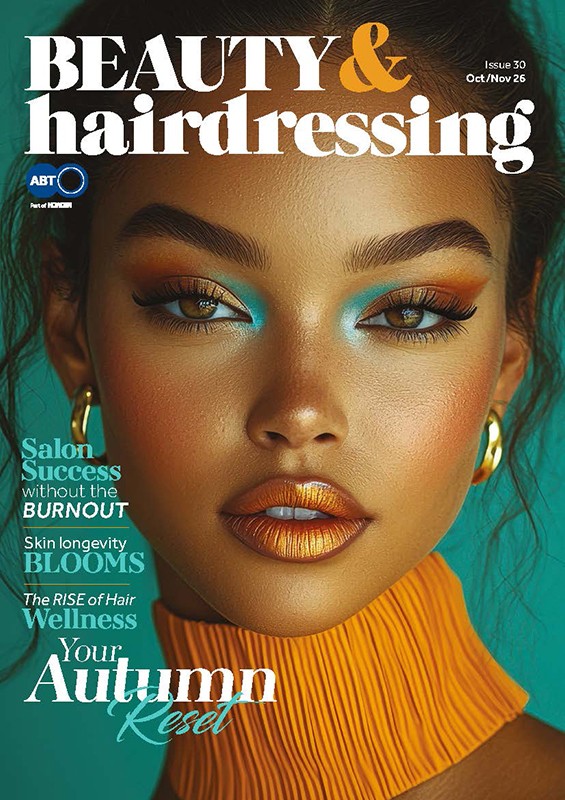
March/April issue of Beauty & Hairdressing magazine.