
Expert Advice: Balancing tradition with innovation in wellness
Spa manager Lisa Can looks at how immersive wellness experiences are contributing to a healthier future.
 In today's highly pressured, always-connected world, spas are increasingly integrating treatments with overall wellness in line with the growing trend to prioritise mental, emotional, and physical well-being. It's not just in spas, there has been a global cultural shift where wellness is no longer seen as an occasional treat; it's a part of everyday life, shaping how we work, travel, eat and relax.
Rising levels of stress, anxiety and digital fatigue are encouraging people to invest in wellness before illness. Once viewed as a luxury, spa treatments, mindfulness retreats and holistic therapies have become ingrained in daily routines. Practices such as meditation, yoga, breathwork and therapeutic massage are a regular part of the schedule, reflecting the growing awareness that long-term wellbeing is built on balance, not burn out.
Across the Daniel Thwaites Spa Group, we now see customers looking for more than facials or beauty treatments, they want an overall wellness journey. A chance to really reset the mind and body and truly slow down.
A new sensory dimension
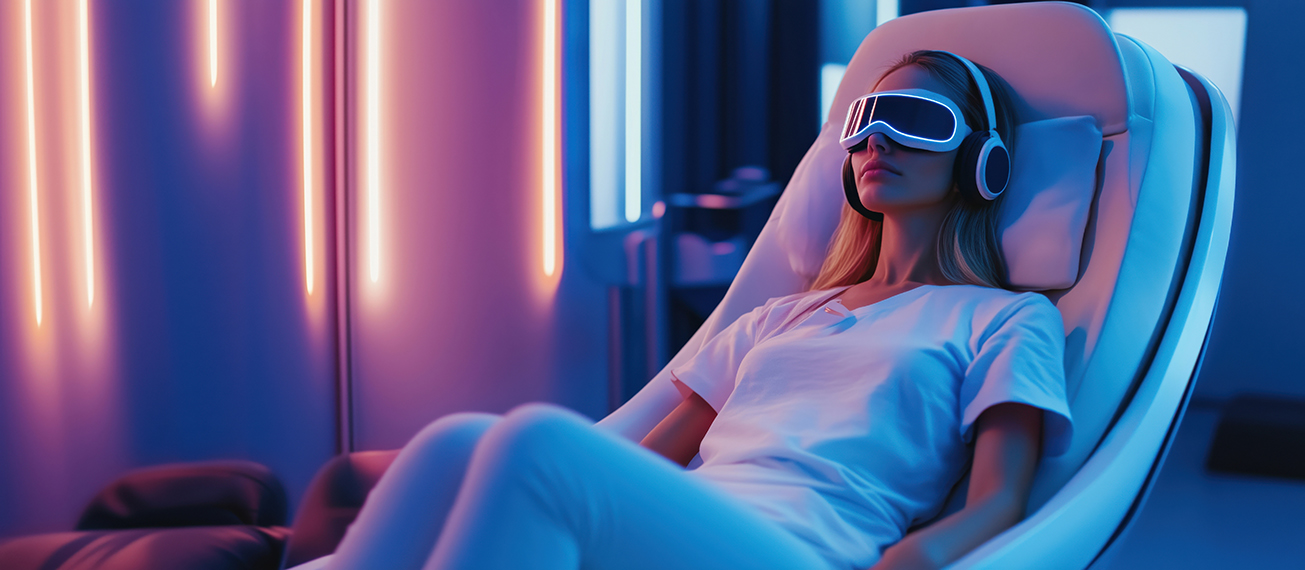
To support this need for overall wellness, one of the most exciting developments in the industry is the introduction of advanced technologies, particularly Virtual Reality (VR). We recently launched VR headsets at Daniel Thwaites Thorpe Park Hotel & Spa in Leeds to enhance overall treatment packages and help people with mindfulness.
The VR headset adds a new sensory dimension to traditional treatments or can be used on its own. Using 3D surround sound and immersive visuals, VR creates an escape from the everyday, deepening relaxation and heightening the spa and wellness experience.
The science behind VR in wellness is compelling. Studies suggest that immersive environments can lower cortisol levels, improve breathing patterns and stimulate the parasympathetic nervous system, resulting in a calmer, more centred state. When combined with the power of touch from a spa therapist, the session becomes truly multi-sensory, with sight, sound, and physical sensation all working together.
Future challenges
As the spa and wellness sector continues to evolve, the challenge will be to continue balancing tradition with innovation. The most successful spas will be those who successfully combine classic therapies with cutting-edge enhancements to deliver measurable, memorable results.
The good news is the demand for spa and wellness in the UK is thriving. Spas should continue to seek new and exciting ways to integrate wellness experiences because today's consumers are striving for more than just relaxation. They want holistic care that nurtures mind, body, and spirit. By combining traditional treatments with wellness practices like mindfulness, nutrition and technology, spas meet this demand for comprehensive well-being. This approach not only enhances guest satisfaction but also opens new revenue streams, making wellness integration a key driver of sustainable growth in the spa industry.
Lisa Can is Spa Manager at Thorpe Park Hotel & Spa, Daniel Thwaites.