
Beyond the roller: Zemits introduces a multi-modal approach to cellulite
Cellulite has never been a one-dimensional concern. Its visible appearance depends on the relationship between skin texture, connective tissue, local circulation, fluid retention, and how soft tissue sits beneath the skin. Yet many professional body treatments have traditionally approached it with one principal action, repeated across every area and every client.
Zemits is challenging that convention with the launch of Zemits QuMotion™, a professional face and body platform built around a more adaptable approach to mechanical body treatments.
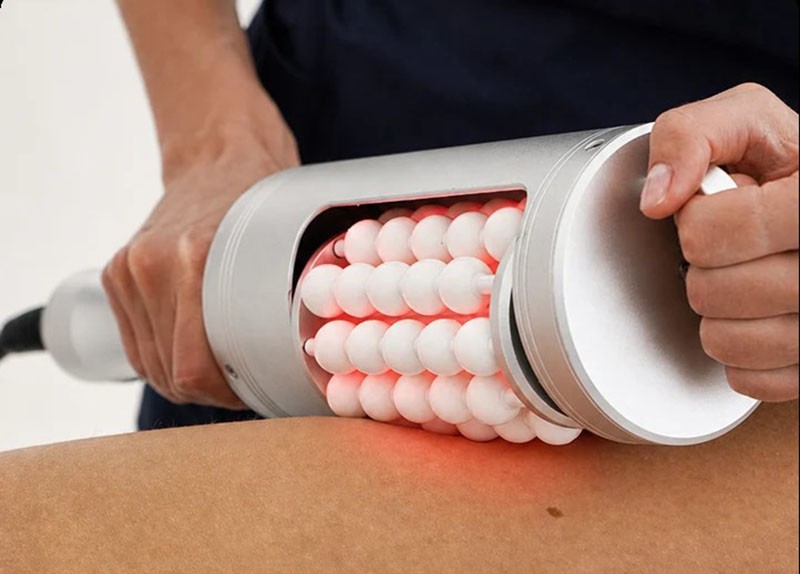
Rather than relying on a single roller or fixed massage technique, QuMotion™ combines two complementary mechanical technologies and a collection of interchangeable treatment heads. The idea is simple: different tissues, treatment areas and stages of a protocol require different types and intensities of stimulation.
At the centre of the system is QuMotion™ Technology, which combines controlled roller rotation, directional movement, friction-based stimulation and vibration-assisted tissue activation. The system lets practitioners adjust their approach based on the treatment area, skin condition, client sensitivity, and treatment stage.
Five interchangeable roller heads give this concept its versatility. VivoFlow™ provides gentler mechanical stimulation and lymphatic-focused support, while ContourGlide™ progresses into deeper, controlled tissue engagement. CelluRelease™ focuses on active massage and skin texture, MatrixPress™ targets areas affected by uneven, cellulite-prone texture, and QuSculpt™ delivers the system's most intensive mechanical action for deeper tissue and contour-focused work.
This creates an important shift in treatment philosophy: body support becomes a sequence rather than a single movement. The practitioner can begin gently, prepare the tissue, progressively work uneven areas, and move toward deeper, contour-focused massage before completing the protocol with a more refined finishing stage. Zemits describes this as a structured progression from flow and warm through to smooth, define and finish.
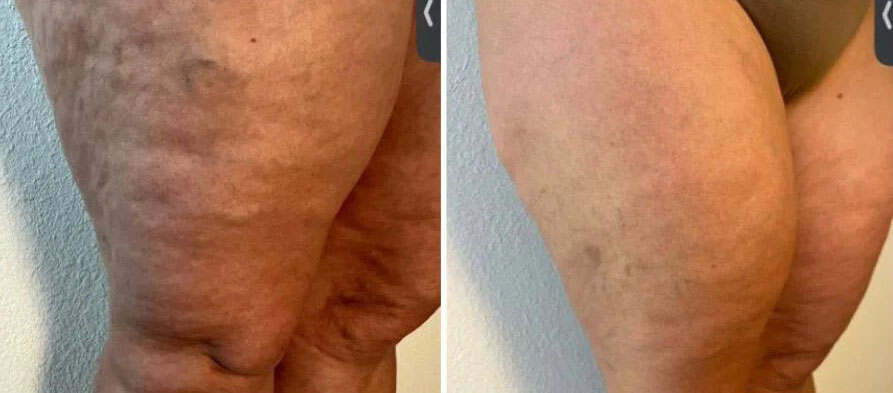
For salons, spas and aesthetic practices, this versatility opens the door to treatment programmes that extend beyond cellulite alone. QuMotion™ protocols can be adapted for uneven skin texture, puffiness and fluid retention, body contour definition, skin firmness, and tissue mobility, while dedicated attachments also allow facial protocols to be incorporated into the same platform. The device is intended for professional, non-invasive cosmetic use.
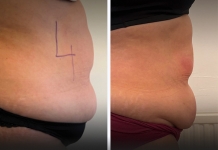
It also reflects a broader shift toward layered body protocols. In a recent Zemits practitioner case study, roller massage formed part of a staged waist and abdominal contouring programme in which tissue preparation preceded subsequent treatment steps, demonstrating how mechanical massage can sit within a broader treatment strategy rather than functioning as an isolated service.
For practitioners, perhaps the most interesting development is therefore not simply another way to perform mechanical massage. It is the ability to change the mechanical action as the tissue and treatment objective change.
With QuMotion™, Zemits is proposing a more considered model for professional body care: assess, adapt, sequence and progressively treat. In a category increasingly focused on personalisation, that may be where the next generation of cellulite protocols is heading.
Discover Zemits QuMotion™ and explore a new multi-modal approach to professional face and body treatments. Contact Zemits UK today:
zemits.co.uk.